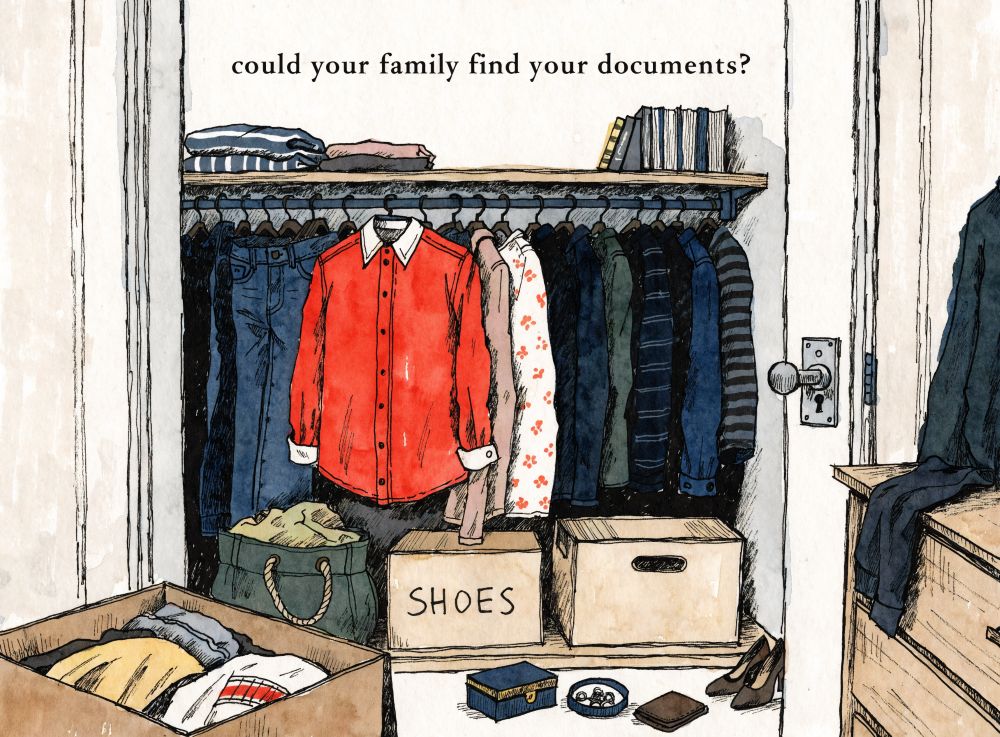
September is National Preparedness Month, and the 2026 theme, Americans Stand Ready, encourages families to take small, practical steps toward readiness. Most of that guidance focuses on water, batteries, medication, and evacuation routes. Very little of it addresses the paperwork that determines who can speak for you, sign for you, and direct your medical care when you cannot do so yourself. A well-stocked emergency kit will not help a hospital locate your health care agent at two in the morning.
Estate planning is usually framed around death, but its most urgent function is often incapacity during a crisis. A hurricane, a house fire, a stroke, or a serious accident can separate a family from the documents it suddenly needs. In most cases those documents already exist, but they are unreachable, unsigned, or unknown to the people who need them most. Preparedness Month is a useful prompt to close that gap.
1. Why Is an Emergency Plan Also an Estate Plan?
In the first hours of an emergency, the questions families face are rarely about inheritance. Hospitals ask who is authorized to make medical decisions. Insurers, banks, and mortgage servicers ask who is authorized to sign. Those answers come from an advance directive and a financial power of attorney, not from a will, which takes effect only at death.
This is why an estate plan should be treated as an operational set of documents rather than a binder for someday. When a family cannot produce the right authority quickly, the fallback is a guardianship proceeding, which takes weeks and involves a court, a lawyer, and public filings.
2. Which Documents Matter in the First 72 Hours?
The short list is narrower than most people expect. An advance directive naming a health care agent and stating treatment preferences comes first, followed by a durable financial power of attorney. After that come insurance policies, a roster of financial accounts, and identification records such as birth certificates, Social Security cards, passports, deeds, and titles.
Wills and trusts remain essential, but they are not the documents that resolve an emergency in progress. The most useful item a family can create is a one-page roster listing every document, where it is kept, and how to reach the attorney, agents, physician, and financial advisor.
3. Where Should Original Documents Be Stored?
Originals belong in a fireproof and waterproof container at home, in a location family members can identify without searching. A safe deposit box offers security but carries a practical drawback, since it is accessible only during banking hours and an agent who cannot document authority may be turned away. An evacuation order makes bank access irrelevant altogether.
Digital copies solve the access problem that paper cannot. Scanned documents stored in an encrypted cloud folder, or in a password manager with an emergency access feature, travel with the family automatically. Some filings still require the original, including a will submitted to the Register of Wills in Maryland, so copies supplement originals rather than replace them.
4. How Can Maryland Families Make an Advance Directive Findable?
Maryland law recognizes an advance directive in written or electronic form, and even permits a verbal statement captured in a video recording. The State has spent more than a decade expanding electronic access to these documents through the Chesapeake Regional Information System for our Patients, known as CRISP, which serves as Maryland’s designated health information exchange. The Maryland Health Care Commission grants State Recognition to electronic services that interface with it.
The advantage is straightforward. A directive recorded electronically can be retrieved by providers across the state rather than sitting in a drawer at home. Families who divide their time between Maryland and Florida should confirm that their documents will be honored in both states, since hospital staff act most confidently on forms they recognize.
5. Who Should Already Have Copies?
A document nobody knows about protects nobody. Named agents should hold copies, understand that they were selected, and know what the role will require of them. Successor agents deserve the same conversation, because primary agents are sometimes unreachable or affected by the same emergency.
The conversation is part of the plan, not an optional courtesy. Adult children and trusted family members should know where the roster lives and who holds legal authority. September is a natural annual checkpoint for confirming that names and account details remain accurate, particularly after a move, a marriage, or a death in the family.
Preparedness Is a Form of Protection
Emergency preparedness is usually measured in supplies, but supplies address only the first few days of a disruption. The decisions that follow depend on documents, authority, and information the family can actually locate. Reviewing an estate plan each September, alongside the flashlights and the first aid kit, is a small act of maintenance with an outsized effect on how a difficult week unfolds.