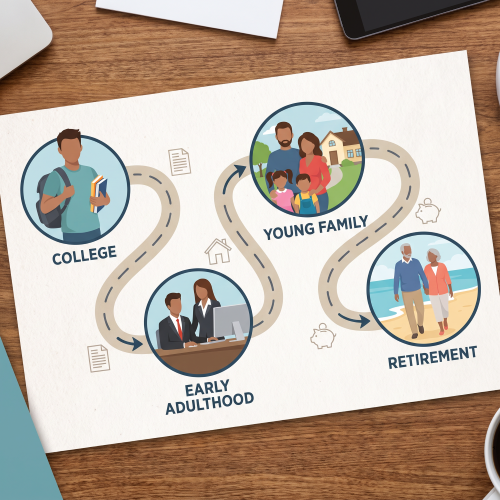
The best time to start estate planning is now, regardless of your age, income, or net worth. Every adult over 18 benefits from basic estate planning documents, yet only about one in three American adults has any in place. The common belief that estate planning is something to handle after retirement leaves families exposed during the decades when life changes fastest.
An estate plan is not a single document you sign once and forget. It is a living framework of wills, trusts, powers of attorney, and beneficiary designations that should grow and change alongside you. Here is what estate planning looks like at every stage of life, and why starting early is one of the smartest financial decisions you can make.
Do You Need an Estate Plan at 18?
Yes. The moment you turn 18, your parents lose the automatic legal right to make medical and financial decisions on your behalf. If a college student or young adult is injured and cannot communicate, doctors may be unable to share information with the family without a health care directive and HIPAA authorization in place. A durable power of attorney fills the same gap for finances.
These foundational documents are simple and inexpensive, and they matter long before wealth does. Interestingly, younger adults are catching on: surveys show adults aged 18 to 34 are now more likely to have estate planning documents than many middle-aged adults. Starting early builds a habit of planning that pays off for decades.
Why Is Estate Planning Essential for New Parents?
For new parents, the most important estate planning decision has nothing to do with money: naming a guardian for minor children. Without a will that designates a guardian, a court decides who raises your children if something happens to both parents. That is a choice no family wants left to a judge.
Parents should also consider a trust to manage any inheritance, since minors cannot legally control assets. A trust lets you decide when and how children receive funds, rather than handing an 18-year-old a lump sum. Life insurance and updated beneficiary designations round out the plan at this stage.
What Should Homeowners and Mid-Career Professionals Put in Place?
Buying a home, building retirement accounts, and advancing in a career all raise the stakes of going without a plan. A will or revocable living trust directs where your property goes and can help your family avoid a lengthy probate process. Reviewing how your home is titled, and coordinating it with the rest of your plan, prevents costly surprises.
This is also the stage where beneficiary designations quietly become your largest estate planning tool. Retirement accounts and life insurance pass by designation, not by will, so an outdated form can send assets to the wrong person. A periodic review keeps every piece pointing in the same direction.
How Does Estate Planning Change for Blended Families and Empty Nesters?
Remarriage, divorce, and adult children reshape an estate plan more than almost any other life events. A plan that simply leaves everything to a new spouse can unintentionally disinherit children from a prior marriage. Trusts and survivorship provisions let blended families provide for a spouse and children at the same time.
Empty nesters should revisit guardianship clauses that no longer apply and update agents named decades earlier. The person you chose as executor or power of attorney at 40 may no longer be the right choice at 60. An estate plan review every three to five years, or after any major life change, keeps the plan aligned with reality.
What Does Estate Planning Look Like in Retirement and Beyond?
Retirement is when earlier planning pays its dividends, not when planning should begin. The focus shifts to protecting assets from long-term care costs, planning for potential incapacity, and making sure wills, trusts, and advance directives reflect final wishes. Waiting until a health crisis arrives sharply limits the options available.
Proactive planning at this stage can preserve a lifetime of savings and position a family for possible Medicaid eligibility if nursing home care becomes necessary. It also spares loved ones from guessing about medical and financial decisions during an emotional time. The strongest retirement plans were started years earlier and simply refined along the way.
The Best Time to Start Is Today
Estate planning is not about age or wealth. It is about control, protection, and peace of mind at every stage of life. Whether you are 18 or 80, the right documents ensure your wishes are honored and your loved ones are spared unnecessary cost and conflict. The best estate plan is the one you start sooner than you think you need it.