Maryland is the only state with both an estate tax and an inheritance tax, and the 10 percent inheritance tax falls largely on nieces, nephews, friends, and unmarried partners, which makes proactive planning essential for any Maryland resident leaving assets outside the immediate family.
Maryland snowbirds with Florida property need a single coordinated estate plan that addresses ancillary probate, jurisdictional differences in health care and spousal rights, and proper trust funding before a crisis forces the conversation.
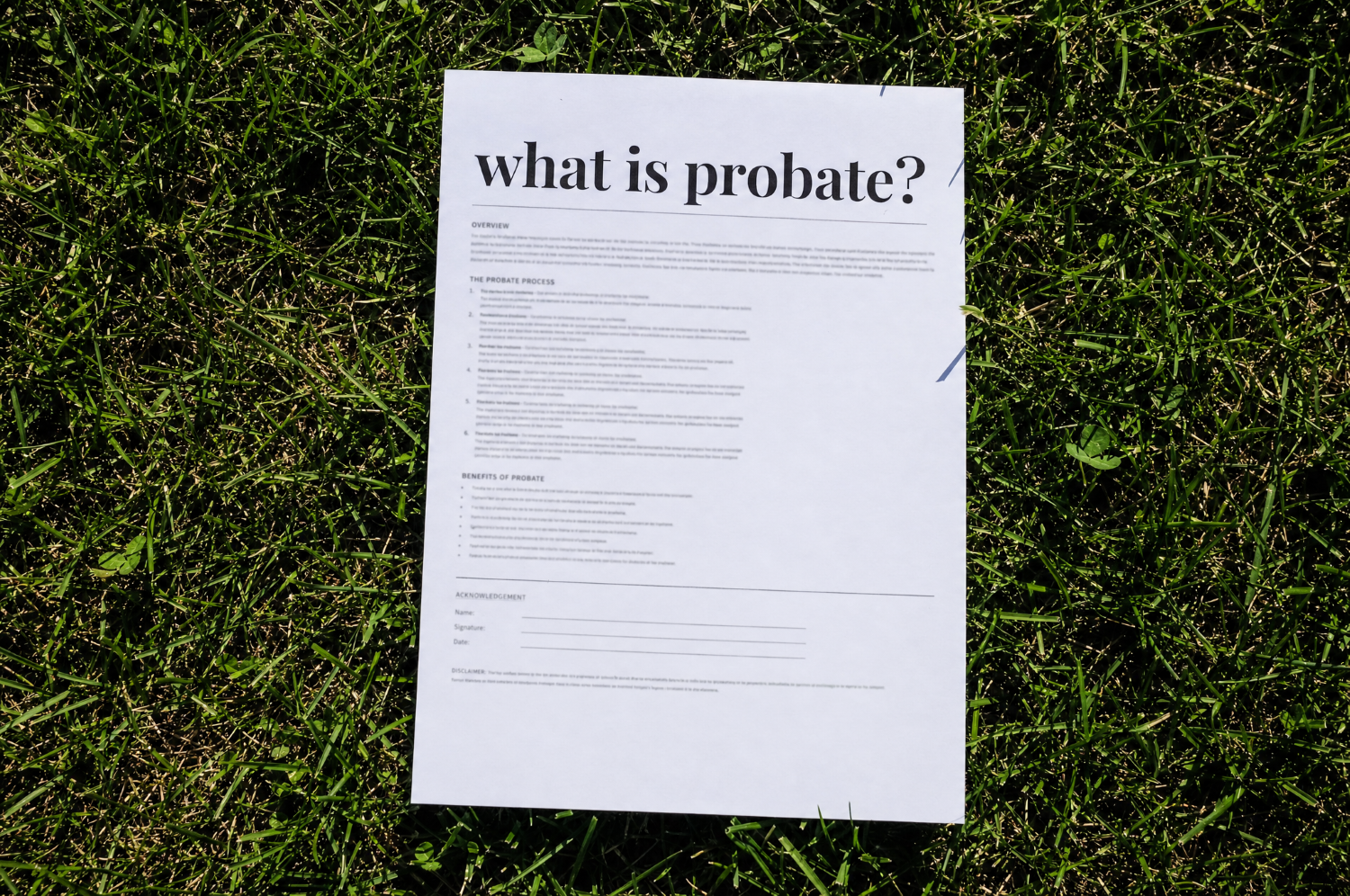
Probate is the court-supervised process of settling a deceased person's estate, and Maryland families can reduce its complexity by understanding how it works and planning ahead.
The federal estate tax exemption permanently increased to $15 million in 2026, but Maryland's $5 million state exemption and dual-tax structure mean families still need updated, state-specific estate plans.
Adding a child’s name to a deed or bank account may feel like smart planning, but it can expose your property to their creditors, trigger gift tax obligations, override your will, and eliminate valuable tax benefits that proper estate planning would preserve.
Tony Soprano’s financial playbook of hidden cash, commingled businesses, and reactive transfers illustrates exactly why real asset protection must be proactive, layered, and legally transparent.
83% of Americans know they need an estate plan, but only 31% have one. This article explores the execution gap between knowing and doing and provides a practical estate planning checklist to help families finally close it.
An Illinois case involving AI-generated legal guidance highlights the risks of relying on artificial intelligence over experienced legal counsel, especially in estate planning.